Getting Around San Francisco Without a Car: Muni, Cable Cars, BART and Ferries
Muni covers the city, BART covers the airport and the East Bay, cable cars are a ride and not a commute. How to pay, what each costs, and how to get to and from SFO.
The short answer. You don’t need a car. Use Muni for getting around the city, BART for the airport and for crossing to Oakland or Berkeley, and a ferry for Sausalito or Angel Island. Pay with a Clipper card, which also works in your phone’s wallet, or tap a chip bank card where the agency accepts it. Treat the cable cars as a ride you do once, because the queue at the Powell Street end can be long.
Roam San Francisco read 12 guides on how to get around without a car, all in English, and they agree on most of it. All 12 say to use Clipper and all 12 call Muni the network for the city. Eleven send you to BART for the airport, and nine say the cable cars are an experience and not transport. Fares and some service details are not taken from those guides. They come from the SFMTA, BART, Golden Gate Ferry and SF Bay Ferry pages, and they were read on 12 November 2026. Fares change, so check them again close to your trip.
What the guides agree on
Clipper to pay for everything. Recommended by 12 of 12 guides read. It works across Muni, BART, the ferries and more. Clipper says it’s accepted on 24 transit services, and BART says you can add it to your phone before you arrive.
Muni for the city itself. Recommended by 12 of 12 guides read. Buses, Metro trains, historic streetcars and cable cars are all Muni, per the SFMTA fares page.
BART for the airport. Recommended by 11 of 12 guides read. It’s the usual way to SFO, about 30 minutes to downtown.
Rideshare or a taxi for late nights. Recommended by 11 of 12 guides read. The point they make is that it fills the gaps when BART has stopped and Muni is thin, and on the steepest streets.
Ferries for the bay. Recommended by 11 of 12 guides read. Sausalito comes up most, then Oakland, Angel Island and Tiburon.
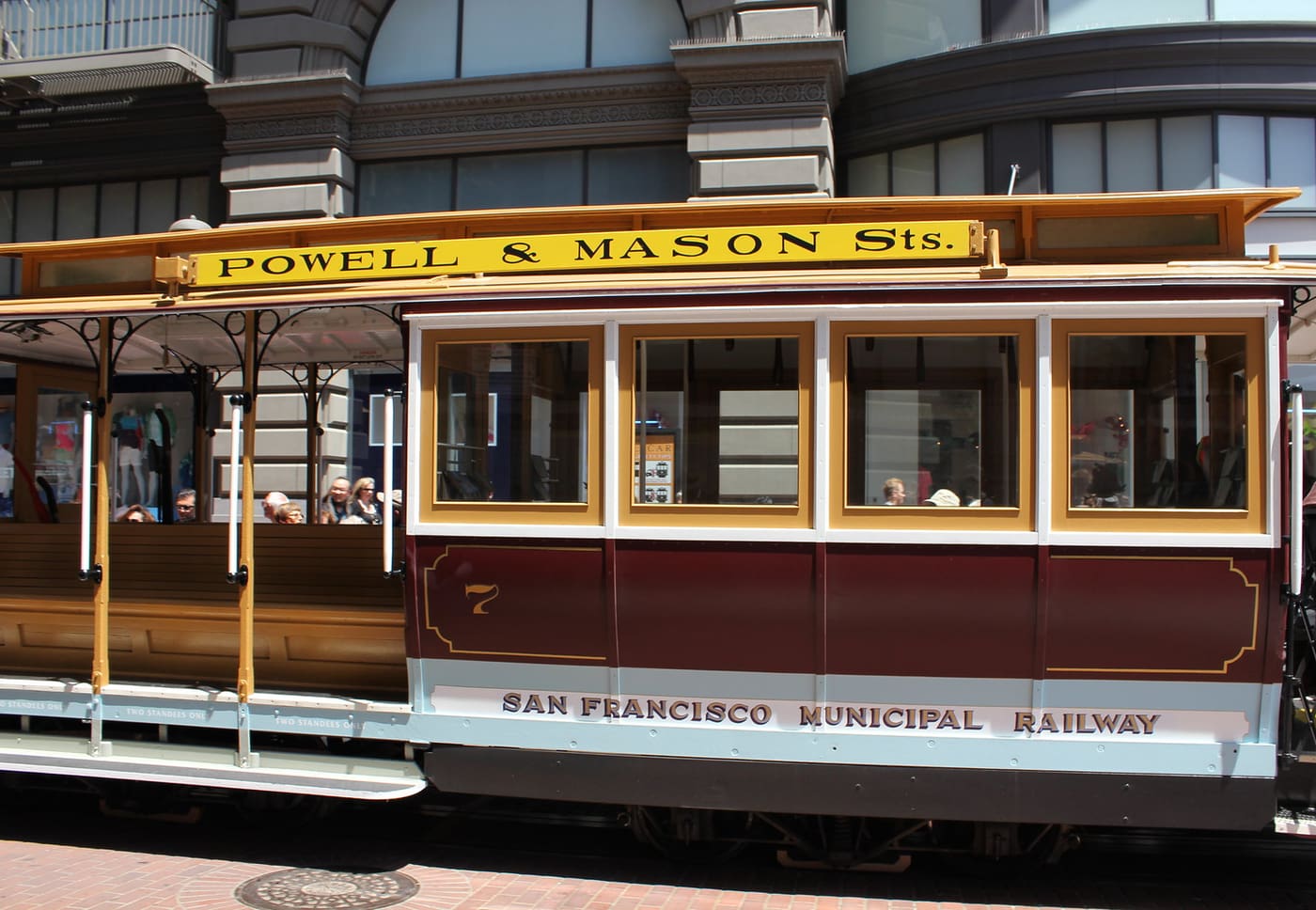
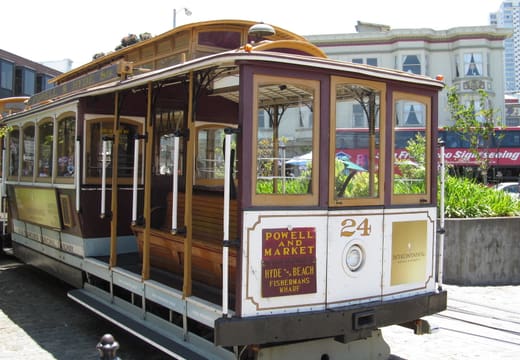
Cable cars are for the experience. Reported by 9 of 12 guides read. They’re slow and they carry mostly visitors, so the guides call them a ride and not a way to get across town.
Walk, but expect hills. Reported by 9 of 12 guides read. They point out that a short distance on the map can be a steep climb, and that the waterfront, downtown and Market Street are the flat stretches.
Cable car lines at Powell Street. Reported by 8 of 12 guides read. Some put the wait at half an hour or more in busy months.
The F-line streetcar. Named by 8 of 12 guides read. Historic cars run along Market Street and the waterfront and cost the same as a bus.
A Visitor Passport only if you ride a lot. Said by 6 of 12 guides read. Two cable car rides already cost more than a one-day pass.
MuniMobile for the app. Named by 6 of 12 guides read. One of them says the app is moving away from single rides.
Bike share for flat stretches. Named by 6 of 12 guides read. They say an e-bike helps on the hills and the waterfront.
BART isn’t a way to get around the city. Reported by 4 of 12 guides read. It has a handful of stops in San Francisco, mostly downtown and along Mission Street.
Board a cable car away from Powell Street. Suggested by 4 of 12 guides read. The California Street line is the one they name, or boarding part way up a line.
The AirTrain to the BART station. Named by 4 of 12 guides read. It’s free and links the terminals.
BART doesn’t run overnight. Reported by 4 of 12 guides read. They put the end of service near midnight.
Tap out on BART. Reported by 3 of 12 guides read. BART charges by distance, so you tap in and tap out.
Skip the rental car in the city. Said by 3 of 12 guides read. Parking and break-ins come up, and they keep a car for trips out of town.
How to pay
Clipper is the simplest answer because it works on Muni, BART and the ferries. SFMTA lists three other ways to pay on Muni: MuniMobile, a tap of a chip-enabled credit or debit card, and cash. Cash needs exact change on a vehicle, and Metro ticket machines give a voucher and no change.
The SFMTA’s adult single ride is $2.85 on Clipper, MuniMobile or a tapped bank card, and $3.00 in cash or at a Metro ticket machine. It’s good for 120 minutes. A day pass is $5.70. Children and teens aged 18 and under ride regular Muni free, though cable cars are an exception.
The same page says MuniMobile stopped selling single-ride passes on 1 September 2026. Some of the guides above still tell you to buy a single ride there, so don’t plan around it. Check the app or the SFMTA page before you rely on it.
BART takes a contactless bank card, Apple Pay, Google Pay or Clipper, and it no longer sells paper tickets. BART says each rider aged five and up needs their own card or device, and that you must use the same one to enter and to leave. That’s why the guides say to tap out. BART’s fare isn’t flat, and the trip planner gives the price for your trip.
Muni: buses, Metro trains and streetcars
Muni is the answer for most trips inside the city. The SFMTA says one fare gives you 120 minutes of travel, so a bus and a train in the same hour cost one fare. The Muni Owl network runs every half hour from midnight to 5 a.m. on a short list of lines. It replaces the L and N Metro lines with buses, and it covers the 14 Mission, 22 Fillmore, 25 Treasure Island and 38 Geary in full.
One of the guides says reliability varies by route and time of day, so check real-time arrivals before a tight connection. For the Golden Gate Bridge and the Presidio Visitor Center, use a route planner to pick the line.
Cable cars: do one, and plan it
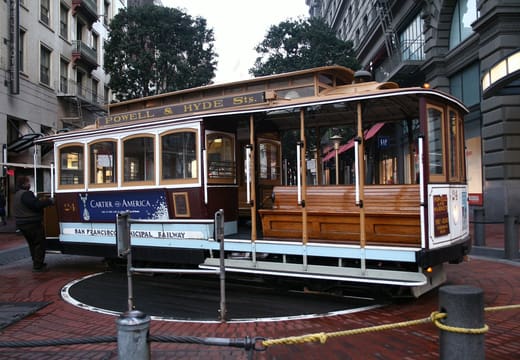
The Powell-Hyde line and the Powell-Mason line both start at Powell and Market, at the turntable, and run toward the Fisherman’s Wharf area. The California line starts at California and Market and runs to Van Ness Avenue, per the SFMTA’s cable car page.
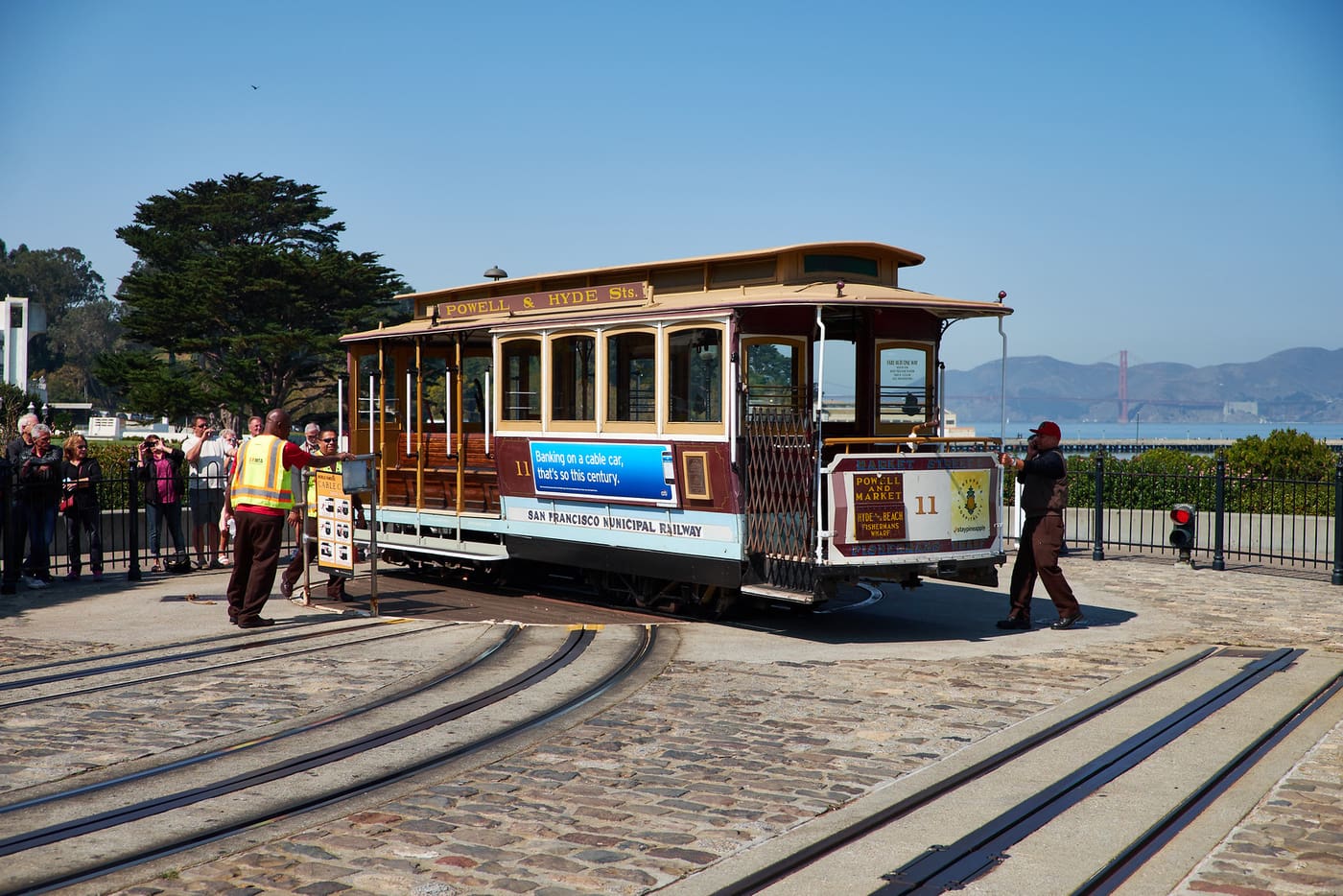
A single adult ride is $9.00, and it’s cheaper for seniors, people with disabilities and Medicare holders before 7 a.m. or after 9 p.m. Children aged four and under ride free. The SFMTA says you must buy your fare in advance at Powell and Market, Bay and Taylor and Hyde and Beach, from 8 a.m. to 8 p.m. daily, and it suggests paying with MuniMobile or Clipper to skip a long line. Bikes aren’t allowed on board and the cars aren’t equipped for accessible boarding.
Eight guides mention long lines at the Powell Street end, and four suggest the California Street line or boarding further up a route. Go early or late, or start somewhere that isn’t the turntable.
The F-line streetcar
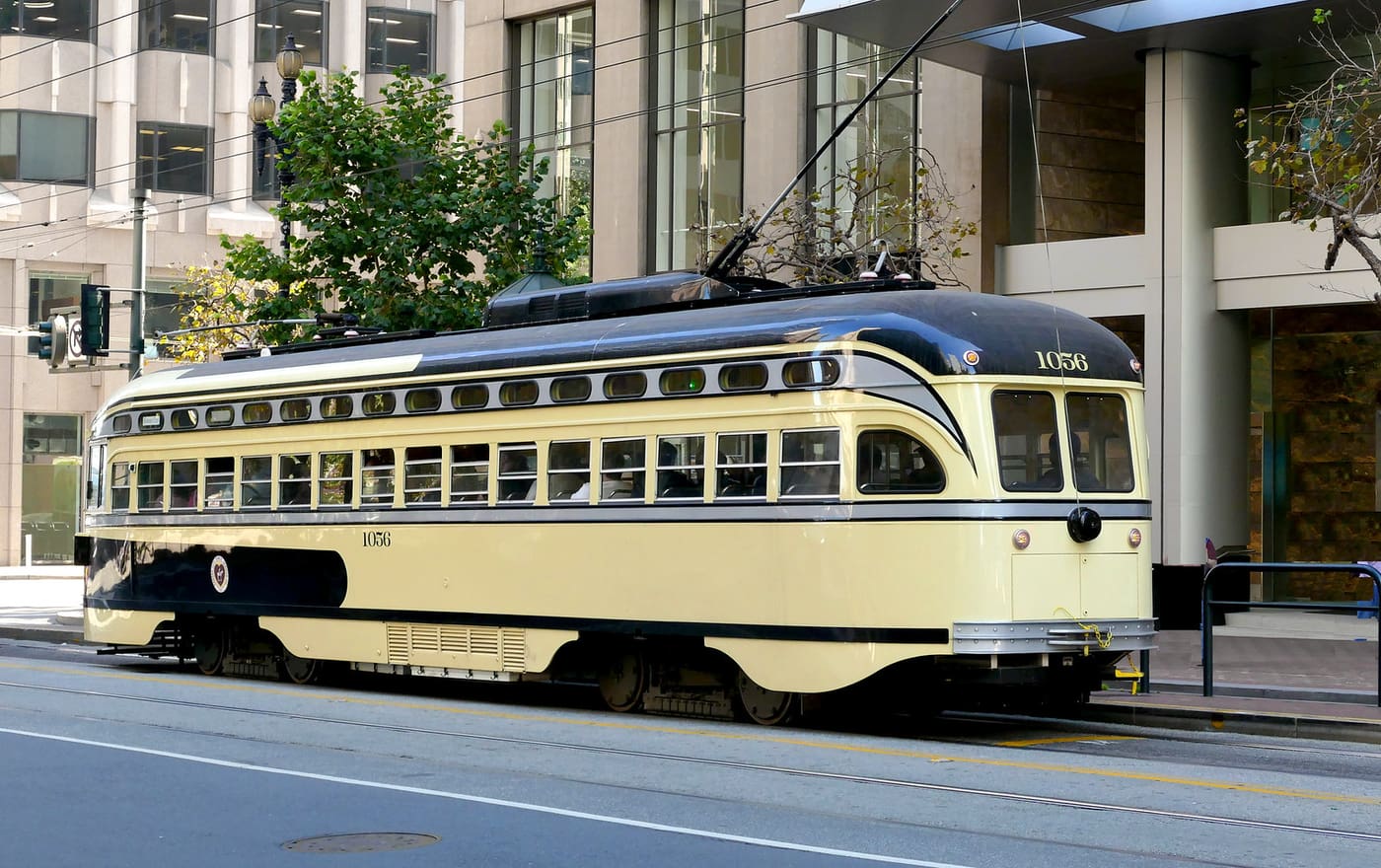
The F Market & Wharves line runs historic cars along Market Street to Fisherman’s Wharf, and the SFMTA says they include Milan streetcars built in 1928 and PCC cars from Philadelphia and San Francisco. The SFMTA’s streetcar page gives the history, and the fare is the ordinary Muni fare on the fares page. It’s slower than BART between the Ferry Building and the Wharf, but it’s a seat with a view and not a queue.
BART and the airport
BART’s SFO page says the station is in the International Terminal and a free AirTrain runs from all terminals to it. To downtown San Francisco, take a Yellow Line (San Francisco/Antioch) or Red Line (San Francisco/Richmond) train to one of four downtown stations. BART gives about 30 minutes for the ride. The first train leaves SFO at 4:58 a.m. on weekdays, 5:47 a.m. on Saturdays and 8:08 a.m. on Sundays, so BART advises making other plans for early Sunday flights. Going back to SFO, take any train marked SFO-bound.
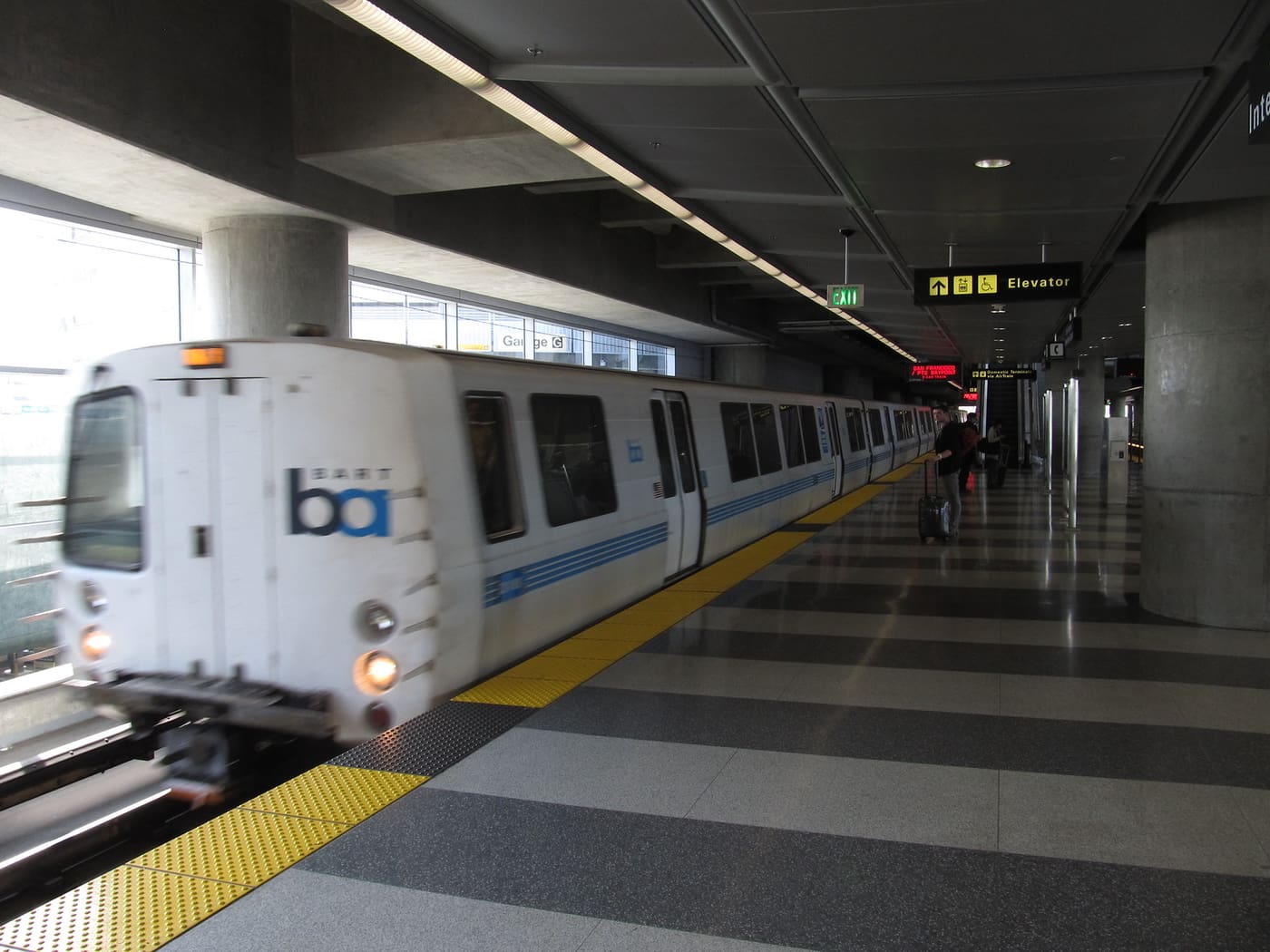
For Oakland’s airport, BART’s OAK page says to ride from the station to Coliseum, then take a Blue or Green line train toward San Francisco. Arriving passengers pay after they get to Coliseum, on Platform 3. BART’s hours there are weekdays 5 a.m. to midnight, Saturdays 6 a.m. to midnight and Sundays 8 a.m. to midnight.
Inside San Francisco, BART serves only a few downtown and Mission stops, and the four downtown stations are the ones the guides name. They also use it for Berkeley and Oakland because it’s fast and cheap.
Ferries
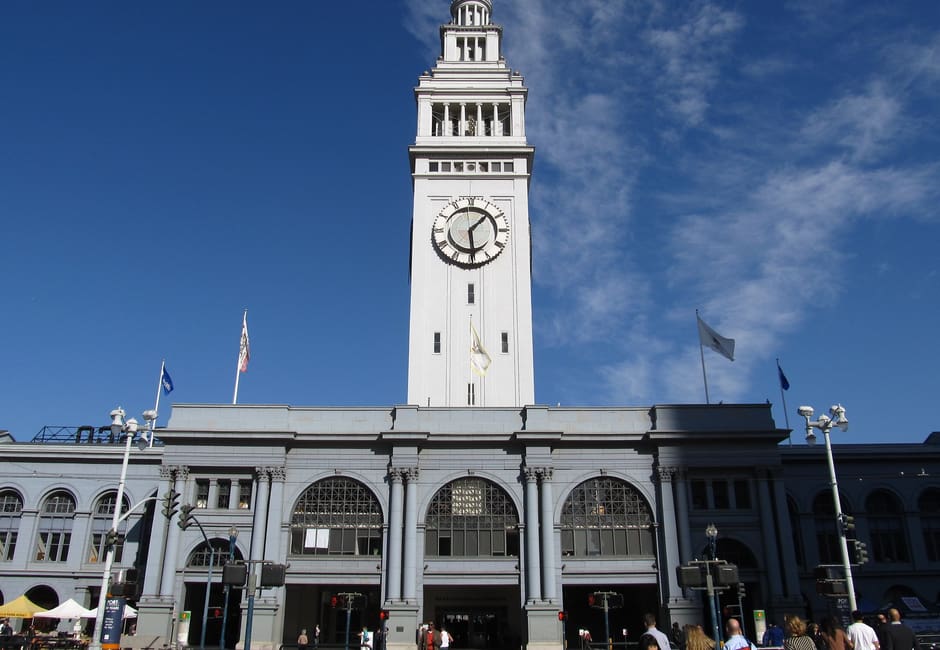
Golden Gate Ferry lists adult one-way fares for Sausalito and Tiburon of $8.50 on Clipper or a contactless bank card, and $14.00 for a paper ticket. Larkspur is $9.50 on Clipper, and Angel Island is $10.00. Its schedule pages list Sausalito, Tiburon, Larkspur and Angel Island routes from San Francisco, and its brochure puts the San Francisco stop behind the Ferry Building.
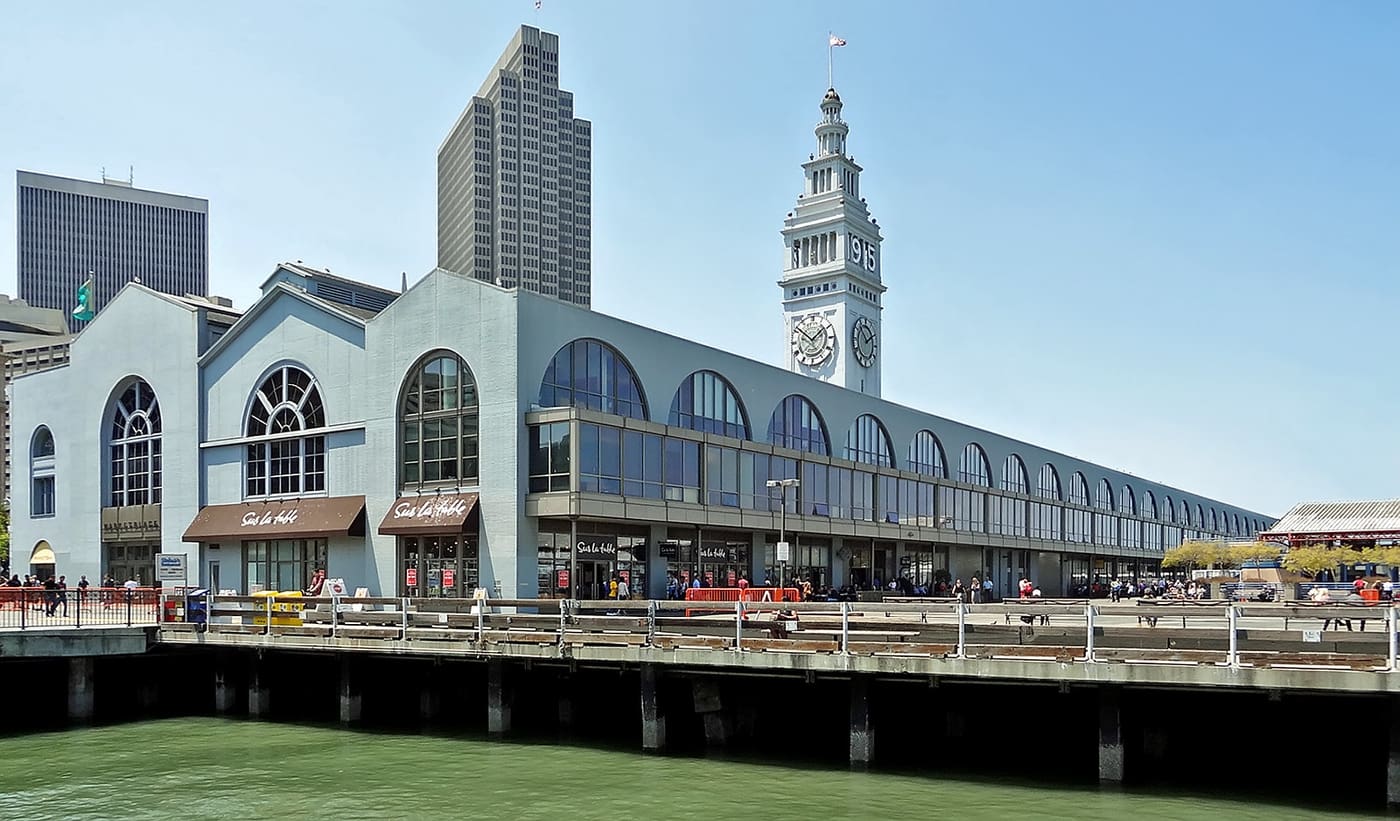
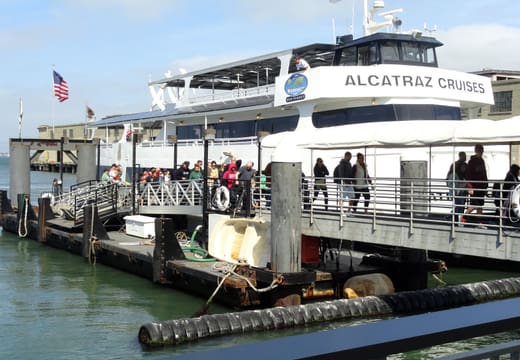
SF Bay Ferry’s Oakland and Alameda page gives a crossing of 15 to 25 minutes to Jack London Square, at $5.10 one-way from 1 July 2026. Its Vallejo page gives about 60 minutes and $10.00. Alcatraz boats leave from Pier 33, and the National Park Service says the only way to Alcatraz is the ferry run by Alcatraz City Cruises.
Walking and hills
The guides tell you to walk where it’s flat and ride where it isn’t. They name the waterfront, the Financial District, Market Street down to Union Square and the Mission’s flat commercial streets as easy walks. They name Nob Hill, Russian Hill and Telegraph Hill as the climbs. A Muni ride up the slope and a walk down is a plan several of them suggest.
At night
BART’s hours are in the airport sections above, and the Owl network covers midnight to 5 a.m. on the lines listed in the Muni section. Eleven guides say rideshare or a taxi is how you finish a late evening, mostly because BART has stopped and the Owl buses run every half hour. Check the last train from the station you’ll use before you go out.
Visitor Passports
The SFMTA sells Visitor Passports for 1, 3 and 7 days at $15, $35 and $47. They cover Muni, Metro, the historic streetcars and the cable cars, and you can buy them in MuniMobile, as a paper pass or on Clipper. They don’t include BART. Six guides say they only pay off if you ride a lot. The maths is simple. Two cable car rides are $18, which is already more than the $15 one-day passport.
Frequently Asked Questions
Do you need a car in San Francisco?
No. Muni, BART, the ferries and your feet cover the city. Three of the 12 guides say to skip a rental in the city and to keep a car for trips out of it. The day trips guide shows which of those trips work without one.
Is Muni or BART better for getting around?
Muni, for the city. BART has a few stops in San Francisco and serves the airport and the East Bay. Four guides spell this out and the rest assume it.
What’s the best way to get from SFO to downtown?
BART, per 11 of 12 guides. It takes about 30 minutes and the AirTrain gets you from your terminal to the station. Rideshare is the other choice, and the guides that mention it say it costs more and can be slow in rush hour.
How much is a cable car ride?
The SFMTA lists $9.00 for an adult single ride. You can pay with Clipper, MuniMobile or exact change, and you need to buy in advance at Powell and Market, Bay and Taylor and Hyde and Beach between 8 a.m. and 8 p.m.
Does Clipper work on the ferries?
Yes, on Golden Gate Ferry and SF Bay Ferry. Golden Gate Ferry also takes a contactless bank card at the same price, and the paper fare is higher.
Can you use BART inside San Francisco?
Yes, between its downtown and Mission stops, and it’s quick between them. The guides say it doesn’t replace Muni for neighbourhood trips. See the Union Square guide for what’s near the downtown stations.
See what’s on while you’re there on the events page, or open the map to see the stops next to the places you want to visit.
Sources: 12 guides in English, and 12 official pages
Guides in English
- San Francisco Without a Car: How I Easily Get Around SF in 2026Girl on a Zebra
- How to Get Around San Francisco Without a CarCityPASS
- How to Get Around San FranciscoThe Tour Guy
- Complete Guide to Transit in San FranciscoTrips with Tykes
- Getting Around San Francisco: The Complete Transit GuideNomado Travel
- Getting Around San Francisco: Muni, BART, Cable Cars, and the Case for (or Against) Renting a CarIn Your Pocket
- Getting around the Bay: A renter's guide to public transport in San FranciscoRentCafe
- Getting Around San Francisco Without a Car: Complete Guide (2026)Unscripted San Fran
- How to Get Around San Francisco: Transit, Cable Cars & Tips - 2026LorenziGo
- How to Use Public Transport in San Francisco [2026]City Transport Guide
- Ultimate San Francisco Travel Guide 2026: Costs, Areas & TipsTravelTipNow
- How to Do San Francisco Without a CarThe Bold Italic
Official pages
- SFMTA, Muni faressfmta.com
- SFMTA, cable carssfmta.com
- SFMTA, Muni Owl servicesfmta.com
- SFMTA, historic streetcarssfmta.com
- BART, SFObart.gov
- BART, OAKbart.gov
- Clipperclippercard.com
- Golden Gate Ferry, faresgoldengate.org
- Golden Gate Ferry, schedulesgoldengate.org
- SF Bay Ferry, Oakland and Alamedasfbayferry.com
- SF Bay Ferry, Vallejosfbayferry.com
- NPS, Alcatraz directionsnps.gov
Places in this guide
Photos show the actual places, licensed under Creative Commons and credited to their photographers.
Find hotels in San Francisco
Browse live availability and compare prices for your dates.
See hotels near San Francisco on Booking.comPrices are for the night of Saturday 14 November. You can change the dates on Booking.com. If you book, Roam San Francisco earns a small commission from Stay22 at no extra cost to you.